
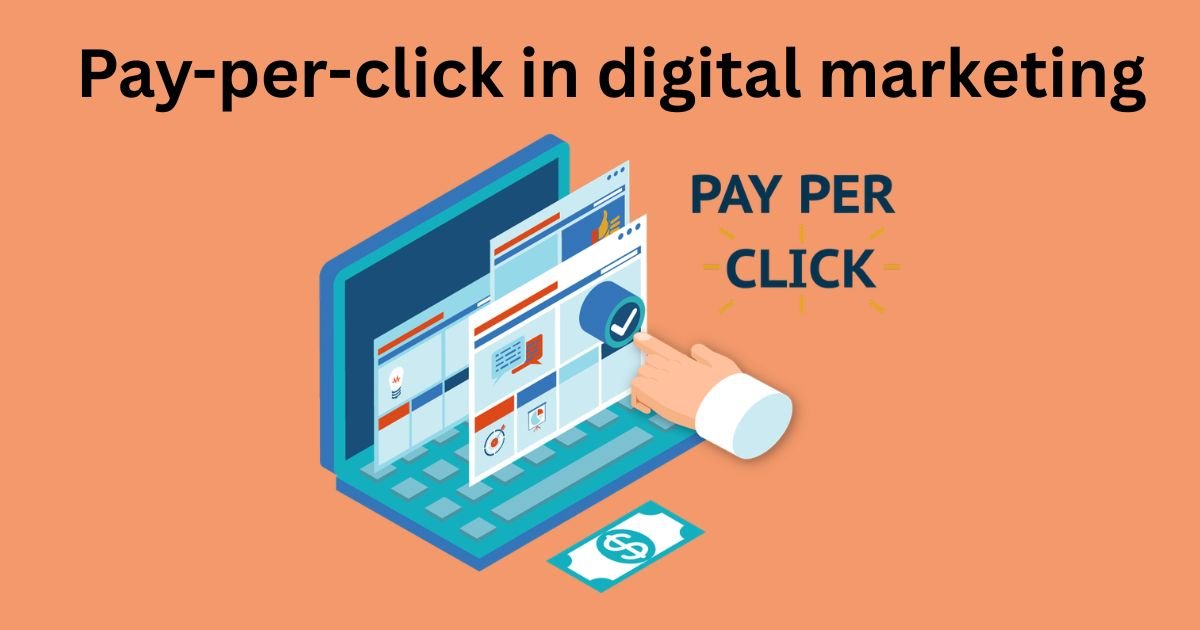
Pay-Per-Click (PPC) is one of the fastest and most effective digital marketing strategies for driving targeted traffic, generating leads, and increasing sales. Whether you are a small business owner, marketer, or beginner exploring online advertising, understanding PPC can help you grow your business quickly.
In this guide, you’ll learn what PPC is, how it works, its benefits, major platforms, and how beginners can start successful PPC campaigns.
What Is Pay-Per-Click (PPC)?
Pay-Per-Click (PPC) is an online advertising model where advertisers pay a fee each time someone clicks on their ad.
Instead of earning traffic organically through SEO, PPC allows businesses to buy visits to their website instantly.
Simple Example:
If you run Google Ads for “best digital marketing services,” your ad may appear at the top of search results. You only pay when someone clicks on it.
Why PPC Is Important in Digital Marketing
PPC is highly valuable because it offers:
- Instant website traffic
- Fast lead generation
- Increased sales opportunities
- Brand visibility
- Precise audience targeting
- Measurable ROI
Unlike SEO, which takes time, PPC can produce results almost immediately.
How PPC Works
PPC platforms use an auction system.
Basic Process:
1. Choose Keywords
Select keywords your target audience searches for
2. Create Ads
Write compelling ad copy
3. Set Budget
Decide how much you want to spend
4. Bid on Keywords
Compete with other advertisers
5. Pay Per Click
You are charged only when users click
Main PPC Platforms
Google Ads
The most popular PPC platform for search advertising.
YouTube Ads
Great for video promotions and brand awareness.
Facebook Ads
Ideal for social targeting and audience segmentation.
Instagram Ads
Best for visual marketing and engagement.
LinkedIn Ads
Perfect for B2B marketing.
Microsoft/Bing Ads
Alternative search advertising with less competition.
Types of PPC Ads
Search Ads
Text ads shown on search engines
Display Ads
Banner ads shown on websites
Shopping Ads
Product listings for eCommerce
Video Ads
Ads shown on platforms like YouTube
Remarketing Ads
Target users who previously visited your website
Key PPC Terms Beginners Should Know
CPC (Cost Per Click)
Amount you pay for each click
CTR (Click-Through Rate)
Percentage of users who click your ad
Conversion Rate
Percentage of clicks that become leads or sales
Quality Score
Google’s rating of ad relevance and landing page quality
ROI (Return on Investment)
Profit generated from ad spend
Benefits of PPC Marketing
1. Immediate Results
PPC can generate traffic as soon as campaigns go live.
2. Highly Targeted Advertising
Target by:
- Keywords
- Location
- Age
- Interests
- Devices
3. Budget Control
Set daily or monthly spending limits.
4. Measurable Performance
Track every click, lead, and sale.
5. Brand Exposure
Even without clicks, ads improve visibility.
How to Start PPC as a Beginner
Step 1: Define Your Goal
Ask yourself:
- More website traffic?
- More leads?
- More sales?
- Brand awareness?
Step 2: Keyword Research
Choose relevant keywords with:
- High intent
- Good search volume
- Manageable competition
Example:
“Buy SEO services” may convert better than “SEO.”
Step 3: Write Effective Ads
Strong PPC Ads Include:
- Clear headline
- Main keyword
- Value proposition
- Call-to-action (CTA)
Example:
“Get Expert SEO Services – Boost Rankings Today!”
Step 4: Create Landing Pages
Your ad should lead users to a relevant page designed for conversions.
Good Landing Pages:
- Fast loading
- Mobile-friendly
- Clear CTA
- Relevant content
Step 5: Set a Budget
Start small, test performance, and scale successful campaigns.
PPC Best Practices
Use Negative Keywords
Prevent irrelevant clicks.
Optimize Quality Score
Better relevance lowers costs.
A/B Test Ads
Compare headlines and descriptions.
Monitor Analytics
Track conversions and ROI.
Use Remarketing
Re-engage past visitors.
Common PPC Mistakes to Avoid
Poor Keyword Targeting
Choosing broad or irrelevant keywords
Weak Ad Copy
Unclear or unattractive messaging
No Landing Page Optimization
Sending traffic to poor pages
Ignoring Mobile Users
Mobile traffic is huge
Overspending Without Tracking
Always monitor ROI
PPC vs SEO: What’s the Difference?
PPC:
- Fast results
- Paid traffic
- Immediate visibility
SEO:
- Long-term growth
- Organic traffic
- Takes time
Best Strategy:
Use both SEO and PPC for balanced growth.
How Much Does PPC Cost?
Costs vary depending on:
- Industry
- Keyword competition
- Audience targeting
- Platform
Some keywords cost a few cents, while competitive industries may pay much more per click.
Is PPC Worth It?
Yes—when managed properly.
PPC can be highly profitable if:
- You target the right audience
- Your ads are optimized
- Your landing pages convert
- You track results carefully
Final Thoughts
Pay-Per-Click advertising is one of the most powerful tools in digital marketing because it provides speed, precision, and measurable results.




Add comment