Fix Common PC Problems & Easily
- Solve Common Computer Problems Fast and Easy
- Easy Solutions for Common Computer Issues
- Quick and Simple Fixes for Everyday PC Problems
- Troubleshoot Common Computer Problems with Ease
- Fast and Easy Ways to Fix Computer Issues
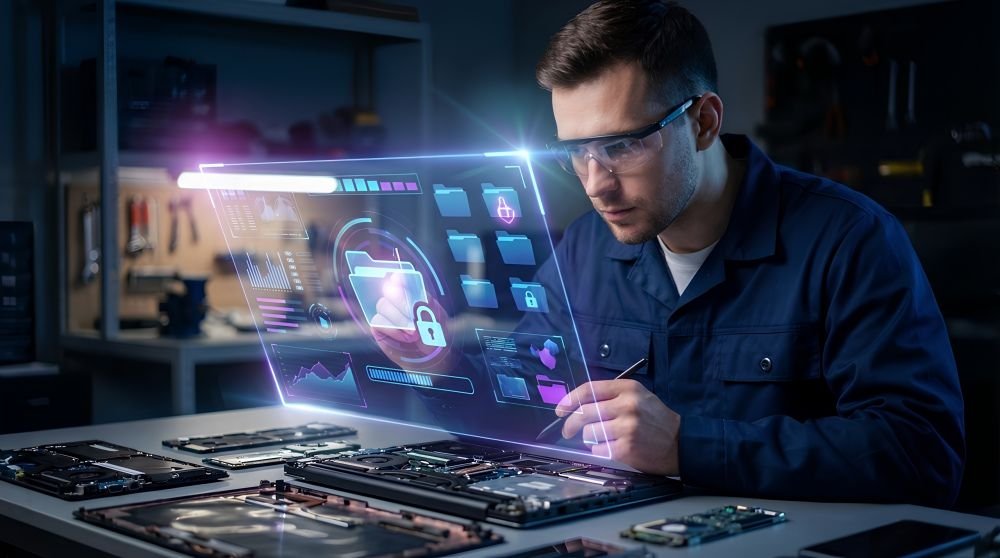
Simple Ways to Fix PC Problems
What Makes a PC Slow Down?
A slow PC is often caused by too many programs running in the background, limited storage space, outdated software, or virus and malware infections. You can speed up your computer by removing unnecessary files, disabling unwanted startup programs, updating your system, and running a full antivirus scan. Using tools like Disk Cleanup and restarting your PC regularly can also improve performance. For older computers, upgrading to more RAM or an SSD can provide a noticeable speed boost.
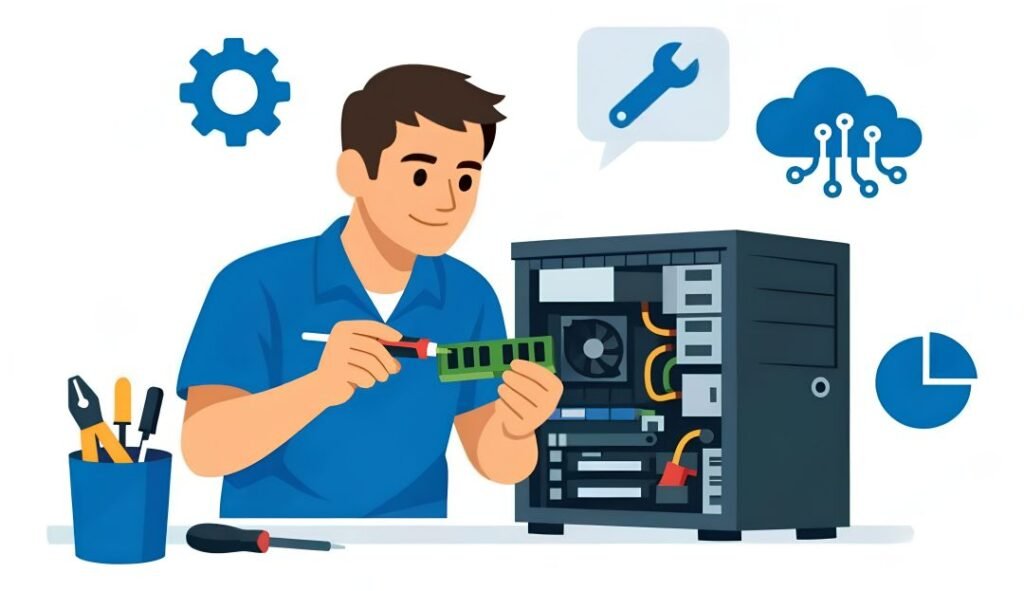
How Can I Fix a Blue Screen Error on My PC?
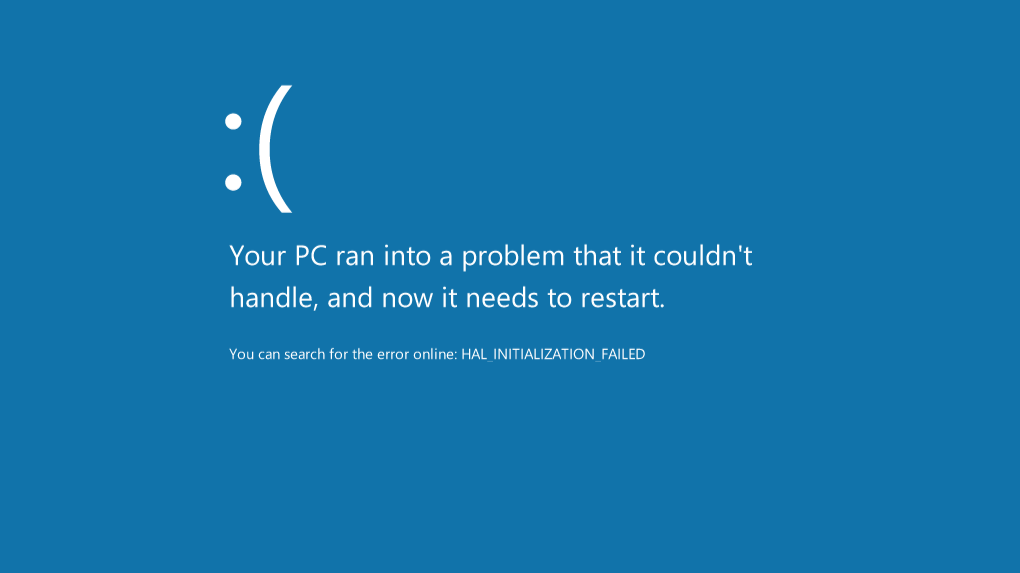
A blue screen error usually happens when your computer faces a critical system problem, such as damaged drivers, corrupted system files, hardware failures, or software conflicts. To fix it, restart your computer and install the latest Windows updates. Make sure all drivers are updated, run the Check Disk (chkdsk) command to repair file errors, and perform a full virus scan. You can also use System Restore to undo recent system changes that may have triggered the issue. If the error continues, testing your RAM or hard drive may help identify hardware problems.
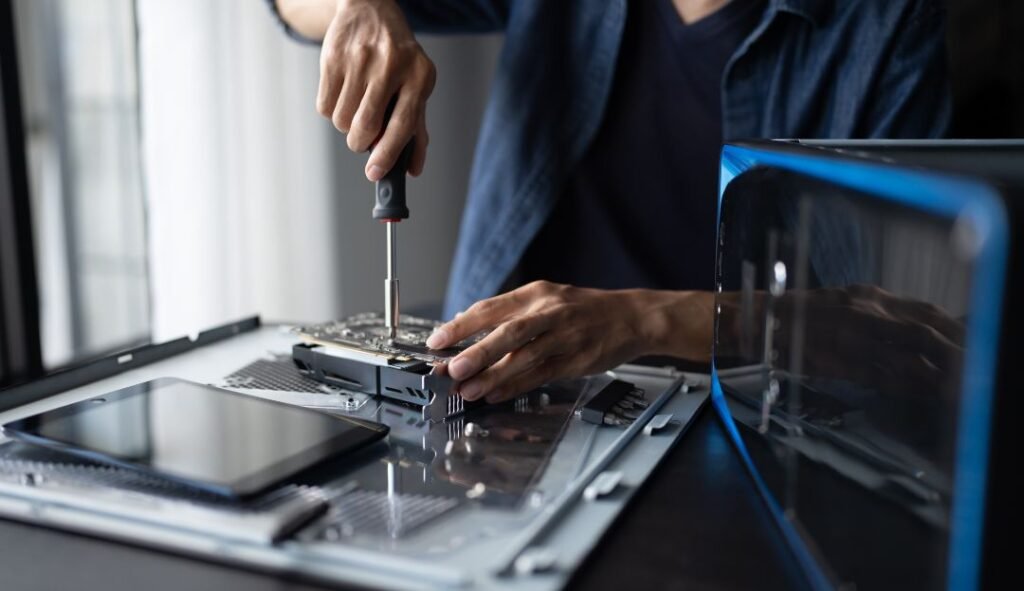
Why Is My PC Not Starting Properly?
If your PC won’t launch or gets stuck during startup, the problem could be caused by corrupted system files, faulty hardware, failed updates, or connected external devices. Try starting your computer in Safe Mode to identify the issue. You can also use Startup Repair from the Windows Recovery menu to fix boot problems automatically. Disconnect external devices such as USB drives or printers and restart the system. If the issue still continues, check hardware components like RAM, SSD, or hard drives for possible damage or connection problems.
Why Is My PC Not Connecting to the Internet?
Internet connection problems can happen because of router issues, outdated network drivers, incorrect settings, or temporary system errors. Start by restarting both your router and PC. Run the Windows Network Troubleshooter to detect and fix common connection problems automatically. You should also update your network drivers and reset network settings if needed. Checking Wi-Fi passwords, cables, or airplane mode settings can also help restore the connection.
Why Are Windows Updates Not Installing?
Failed Windows updates are often caused by low storage space, corrupted update files, or interrupted system services. Try running the Windows Update Troubleshooter and restart your PC before installing updates again. Make sure you have enough free disk space and clear temporary update files if necessary. You can also reset the SoftwareDistribution folder to refresh the update process and fix download or installation errors.
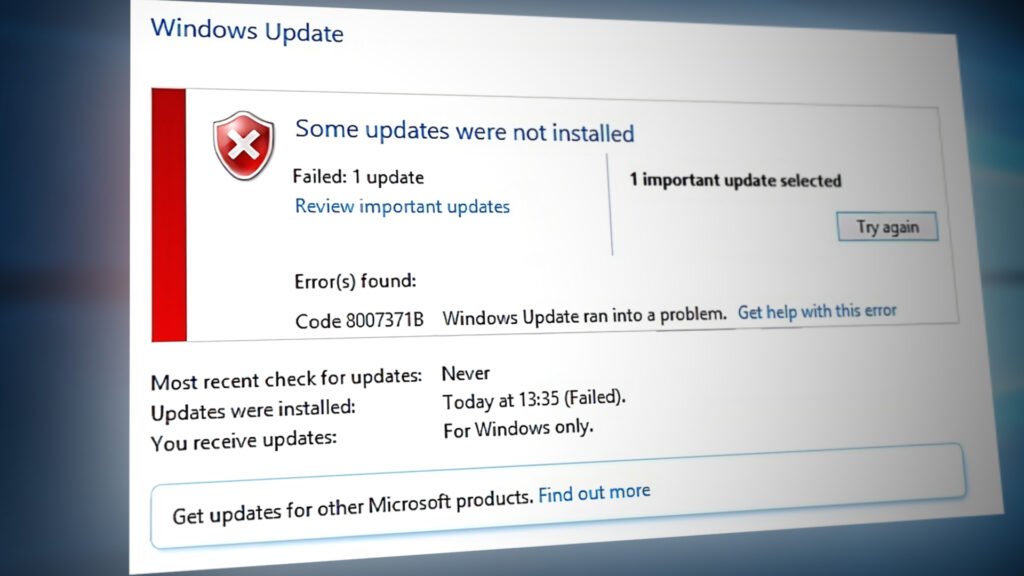
Why Does an Application Keep Crashing on My PC?
Applications may crash because of outdated software, corrupted files, compatibility problems, or missing system updates. First, update the application to the latest version and install any pending Windows updates. Running the app as an administrator may also solve permission-related issues. If the problem continues, uninstall and reinstall the program to replace damaged files and restore normal performance.

Why Is My Printer Not Working on My PC?
Printer problems can be caused by loose connections, outdated drivers, incorrect settings, or communication errors between the printer and PC. Check that the printer is powered on and properly connected through USB or Wi-Fi. Reinstall or update the printer drivers and make sure the correct printer is selected as the default device. Running the Windows Printer Troubleshooter can also help detect and fix common printing issues automatically.
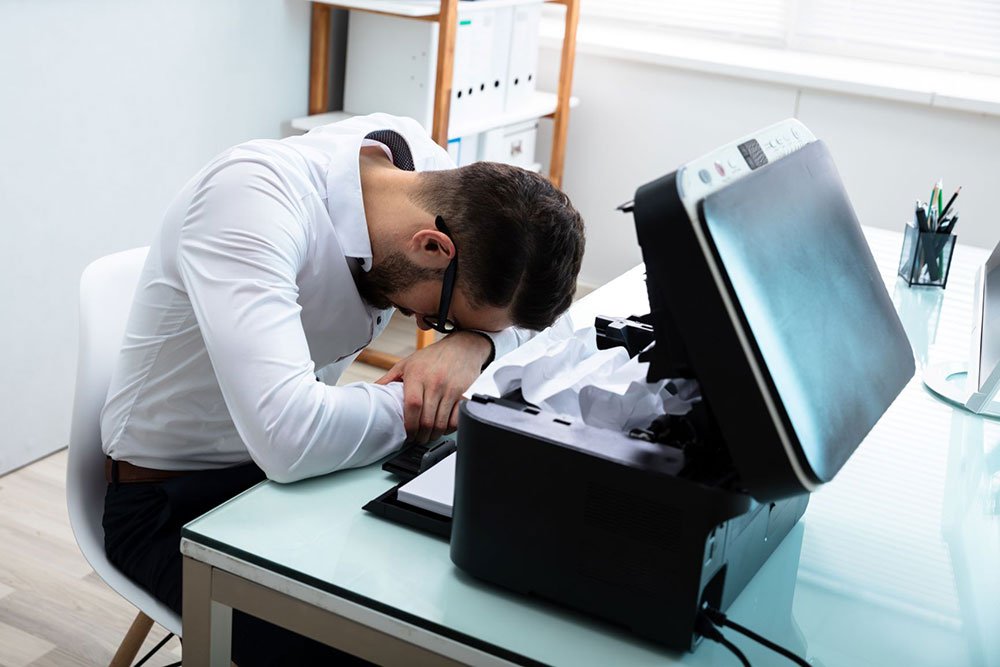
What Should I Do If File Explorer Keeps Freezing?
File Explorer may freeze due to corrupted system files, overloaded Quick Access history, or software conflicts. Restart File Explorer from Task Manager to refresh the process. Clearing Quick Access history and installing the latest Windows updates can improve stability. You can also run the System File Checker command (sfc /scannow) to repair damaged system files that may be causing the issue.
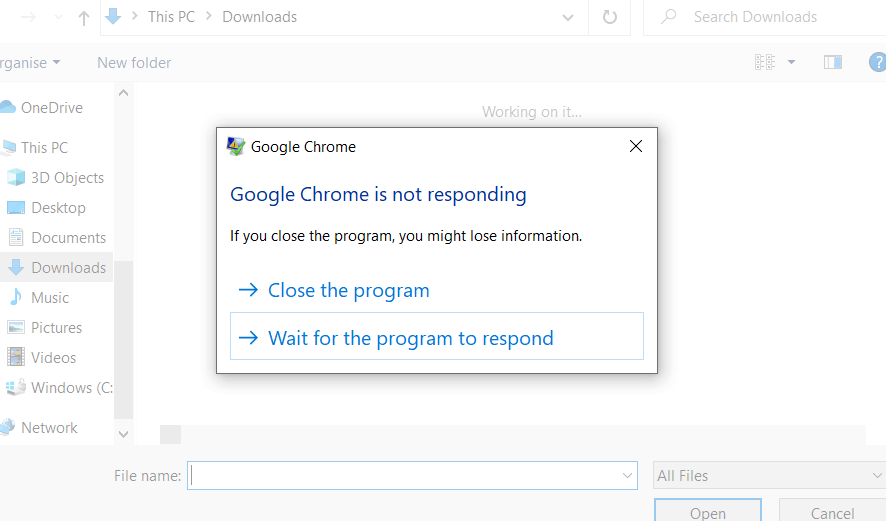
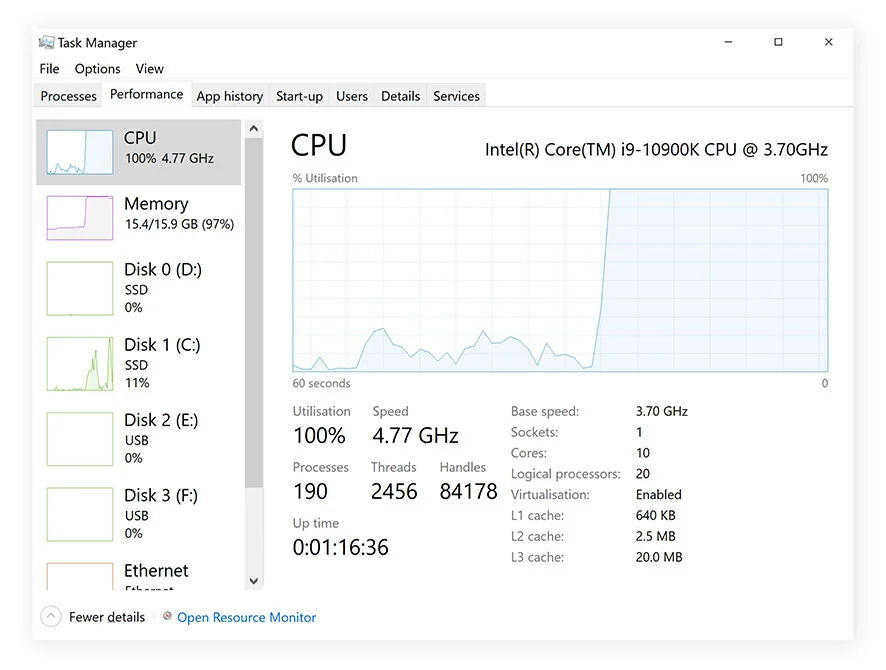
Why Is My CPU or RAM Usage So High?
High CPU or memory usage is usually caused by background applications, startup programs, malware, or insufficient hardware resources. Open Task Manager to identify programs using excessive system resources and close unnecessary applications. Disabling unwanted startup apps and running a malware scan can also improve performance. If high usage continues regularly, upgrading your RAM or processor may help your PC run more smoothly.
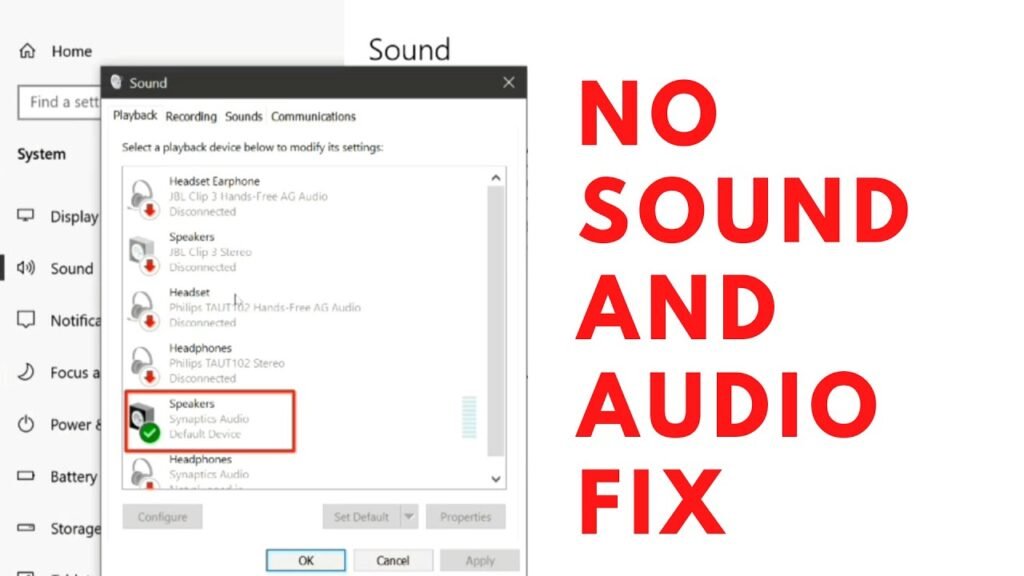
Why Is There No Sound or Distorted Audio on My PC?
Audio problems can occur because of muted settings, faulty drivers, incorrect playback devices, or software conflicts. Check your volume settings and confirm the correct audio output device is selected. Updating or reinstalling audio drivers often fixes sound issues quickly. You can also run the Windows Audio Troubleshooter to automatically detect and repair audio-related problems. Restarting your PC or reconnecting speakers and headphones may also restore normal sound.

We provide simple and effective solutions for common PC and computer problems.
Our goal is to help users troubleshoot system errors, slow performance, internet issues, and software problems with ease.
globalprintassist uses third-party trademarks, brand names, and logos only for reference and illustrative purposes. We do not claim ownership of any company, brand, or product name mentioned on our website. Our primary goal is to promote, market, and sell genuine digital products and services as an independent authorized reseller. We strictly adhere to the FTC’s guidelines for mail, internet, and telephone order merchandise, ensuring transparency and customer protection. All registered trademarks, brand names, logos, and product names remain the exclusive property of their respective owners.
© 2026 GlobalPrintAssist.com. All Rights Reserved.